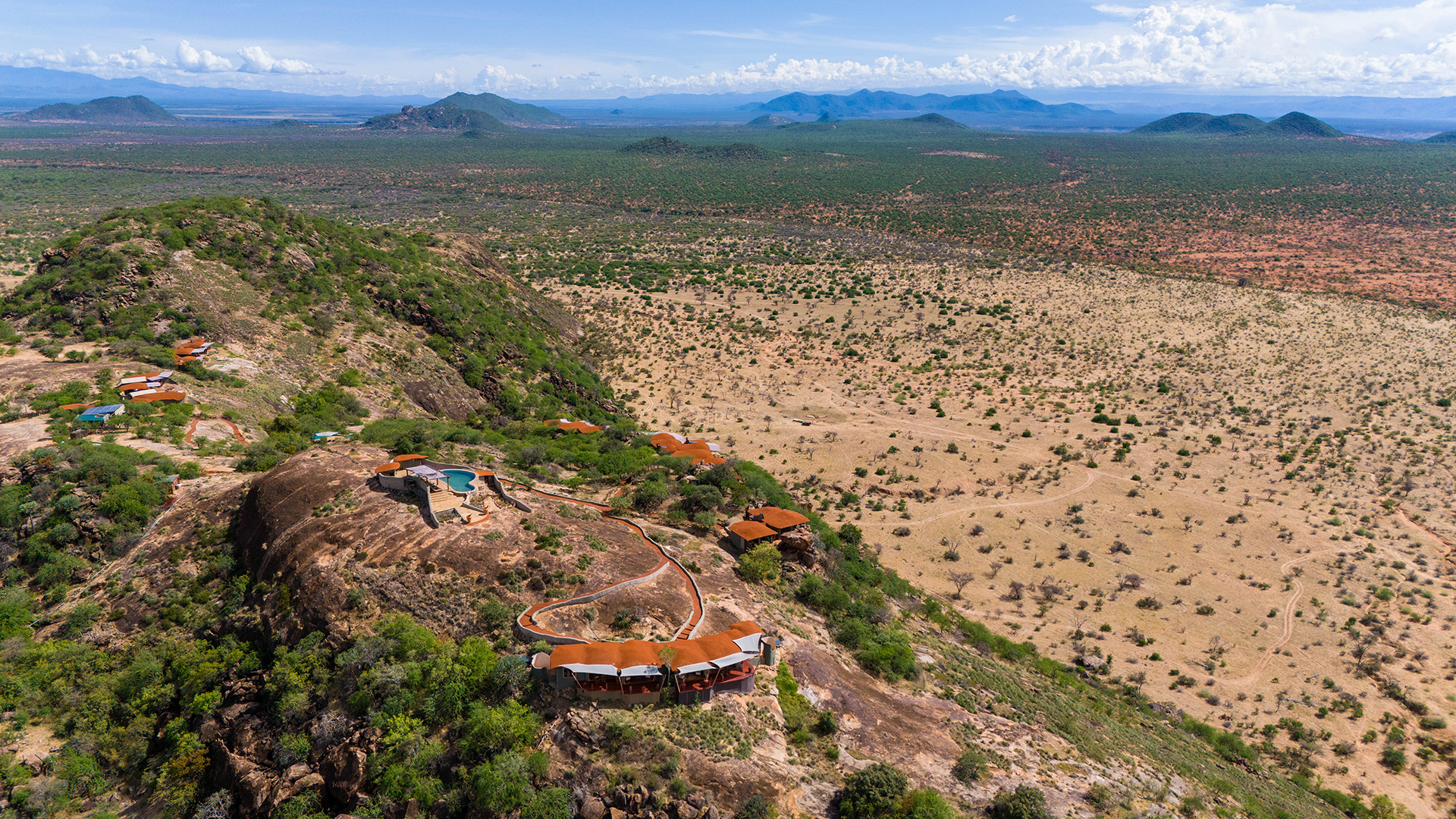
The top of the market, explained
Above the line, you stop buying comfort
Somewhere around US$800 a night, every camp has a good bed, good food and a competent guide. What more money buys after that is land, vehicles, guides and aircraft — which is a different thing entirely, and worth understanding before you spend it.
- The line
- About US$800 per person per night
- Below it
- More money buys comfort
- Above it
- More money buys access
- Countries covered
- Kenya, Tanzania, Rwanda, Uganda, Botswana, Zanzibar
The four variables
What actually separates one camp from another at this level
Not the room. These four, in roughly this order of importance.
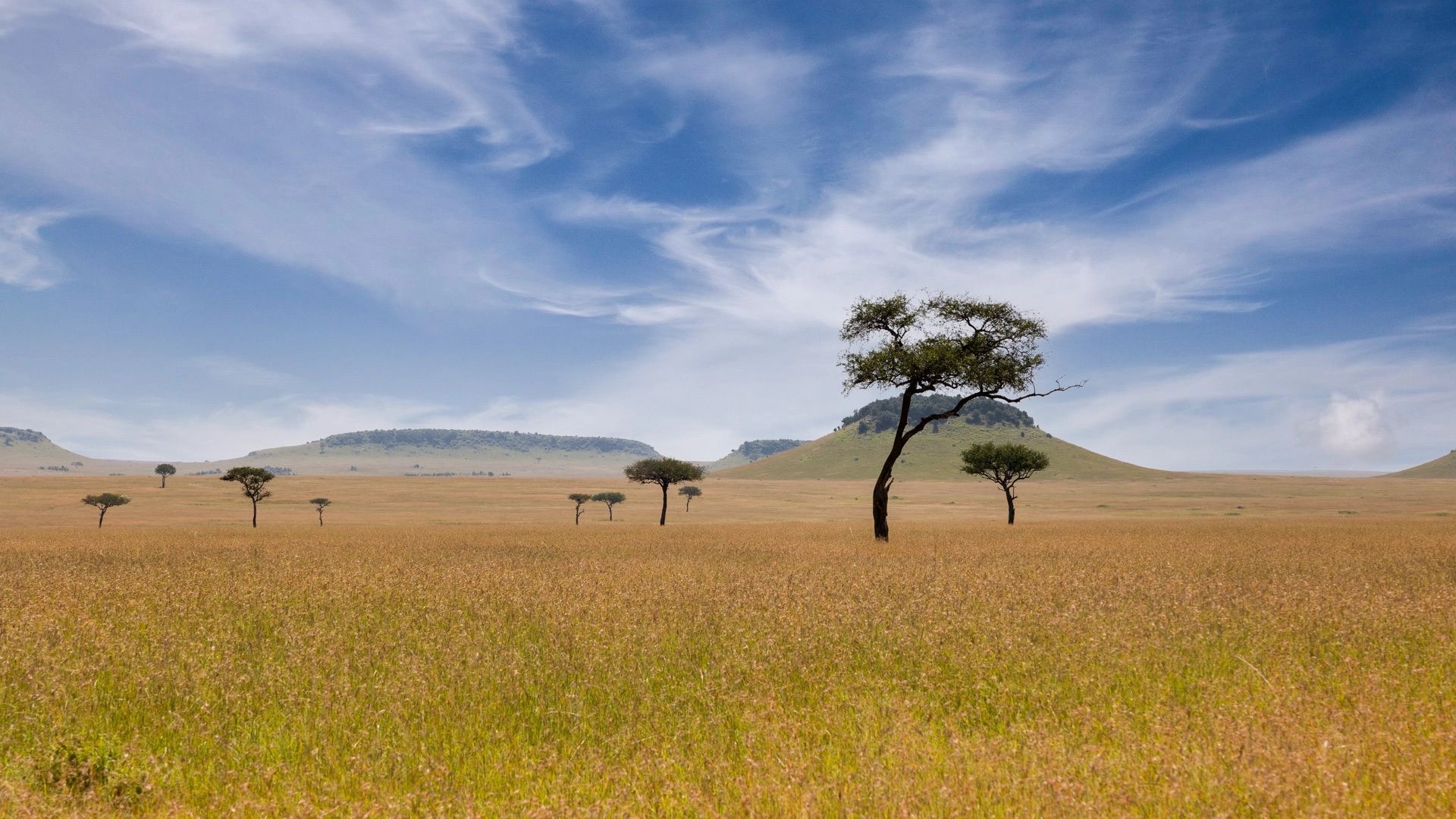
Land
How much of it, who else is on it, and what the landowner permits. Off-road driving, night drives and walking are all land questions, not money questions.
Why land decides it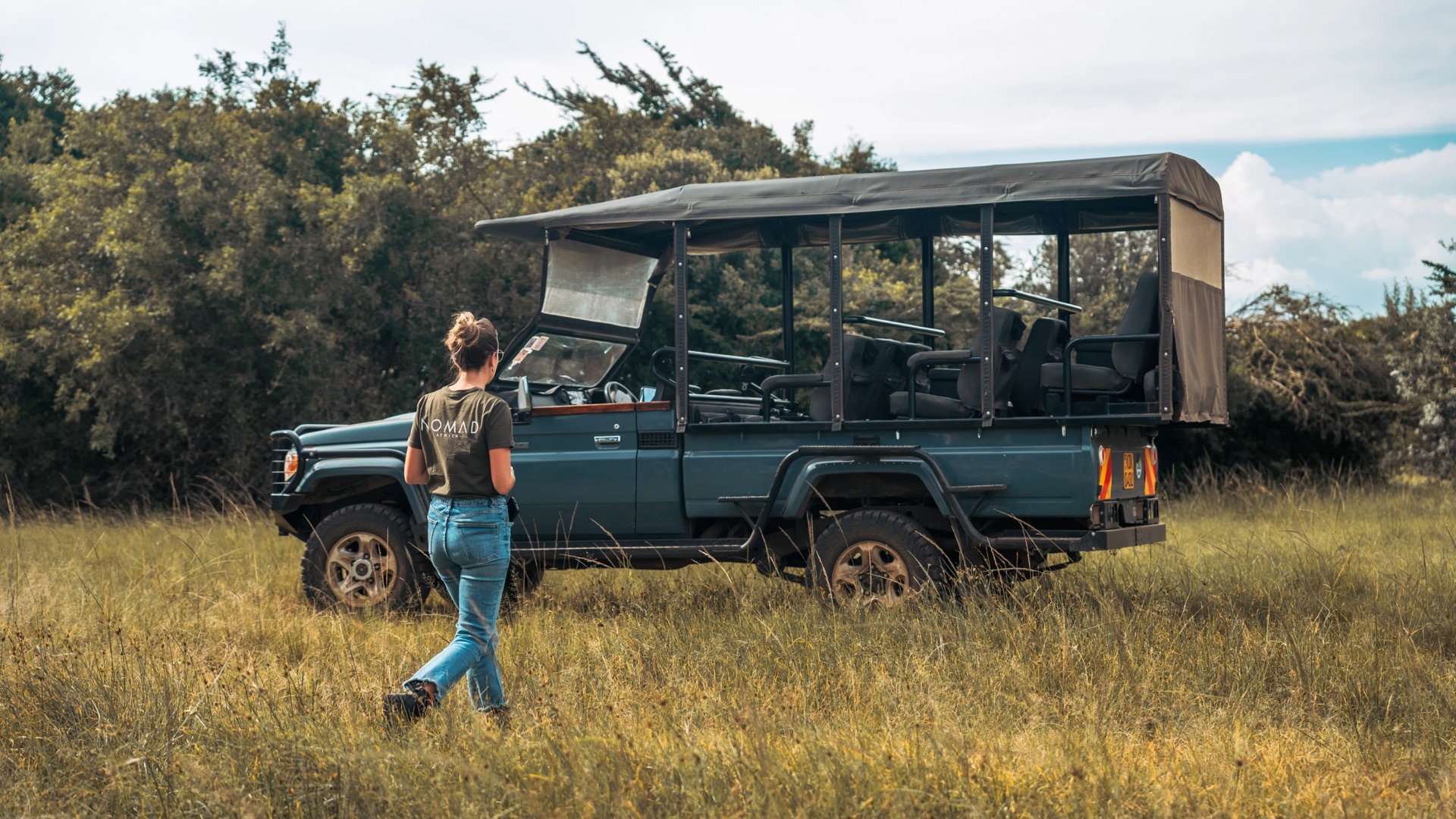
Vehicles
How many may attend a sighting, and whether yours is shared with strangers. Per dollar, a private vehicle changes more than any other upgrade.
The vehicle question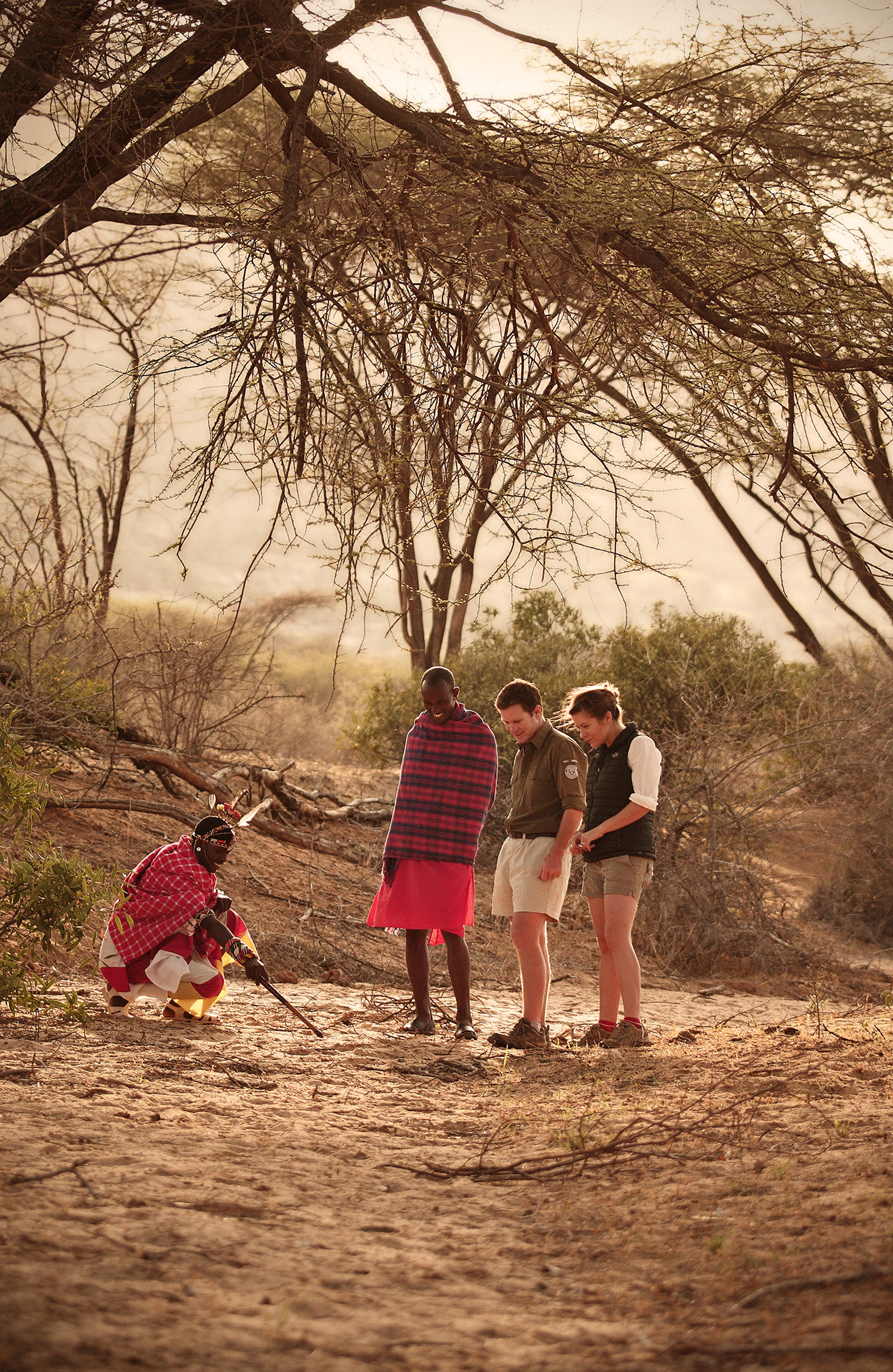
Guiding
The largest unmeasured variable in the market. Two camps at the same rate can differ more in their guiding than in everything else combined.
What good guiding is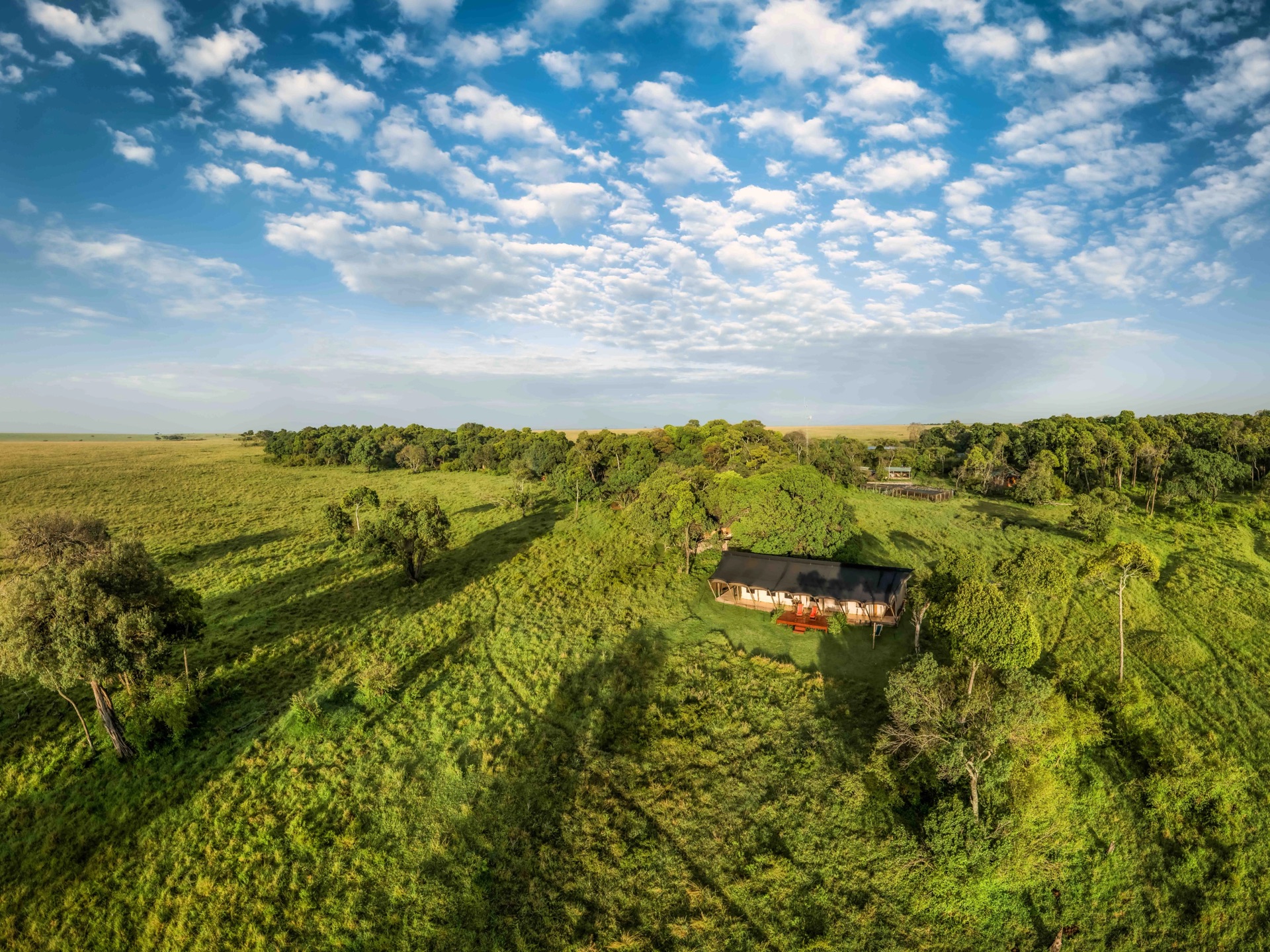
Movement
Light aircraft are a time machine, not a luxury. Above a certain level, private charters follow your schedule rather than a manifest.
Flying or drivingThe ladder
Level by level, per person per night
Fully inclusive: camp, meals, park and conservancy fees, guiding, and transport between parks.
| Level | Per night | What changes |
|---|---|---|
| Fine lodges and classic camps | US$800 – 1,200 | Established camps in genuinely good locations, a private vehicle throughout, light-aircraft hops between parks rather than long road transfers, and guiding that is a profession rather than a job. The entry point to a safari that does not compromise. |
| Private conservancy | US$1,200 – 1,800 | Camps on private land, where the rules change: off-road driving to a sighting, night drives, walking with an armed guide, and a cap on how many vehicles may attend anything. Usually the point at which people stop comparing safaris on price. |
| Owner-run and design-led | US$1,800 – 2,500 | The camps people name when they get home. Six to ten tents, an owner or manager who is present, a guide assigned to you for the stay, and food that would hold its own in a city. |
| Exclusive-use and private-guided | US$2,500 – 4,000 | A guide who travels with you from park to park rather than being handed over at each one, private charters on your own schedule, and small camps taken whole for your party. |
| Whole-camp and villa | US$4,000 and up | Exclusive-use houses and villas with their own staff, mobile expedition camps built for your route, and private aircraft between countries. Bought for privacy and control rather than for thread count. |
Indicative planning ranges only, per person per night sharing, for a fully inclusive safari — accommodation, meals, park and conservancy fees, guiding, and transport between parks. They are what we see in the market, not a quote and not an official tariff. Your quote will be exact and itemised. International flights are not included.
The uncomfortable part
Where more money stops helping
Three things no rate can buy, and it is worth hearing them from somebody who is paid when you book.
No amount of money guarantees a leopard, a river crossing or a gorilla in good light. It buys better odds — more land, more time, a better guide — and never a certainty. The rains arrive when they arrive at every price point. And four nights at US$4,000 is a worse trip than eight at US$2,000 almost every time.
Nights are the one variable that reliably converts money into a better trip. If you are choosing between spending more per night and staying longer, stay longer.
- No rate buys an animal — only better odds
- Weather does not read the tariff
- Fewer, longer stays beat more, shorter ones
- A private vehicle usually beats a bigger room
Free download
The Luxury Safari Briefing
What each rate genuinely buys, level by level, and the four upgrades that change a trip more than the room does.
- The line: where comfort stops being the variable
- Level by level, and what changes at each
- The four things that actually change a safari
- Private land, and the rules that come with it
- Vehicle exclusivity, and why it is the best-value upgrade
- Guiding: the difference you can hear
- Aircraft, charters and the cost of moving
- Exclusive use: houses, camps and mobile camps
- Where more money stops helping
- A brief you can send to any specialist
No cost, no obligation. We ask for an email so we can send it and, if you want it, follow up once.
By country
Where the top of the market concentrates
Six countries, doing genuinely different things at the same price.
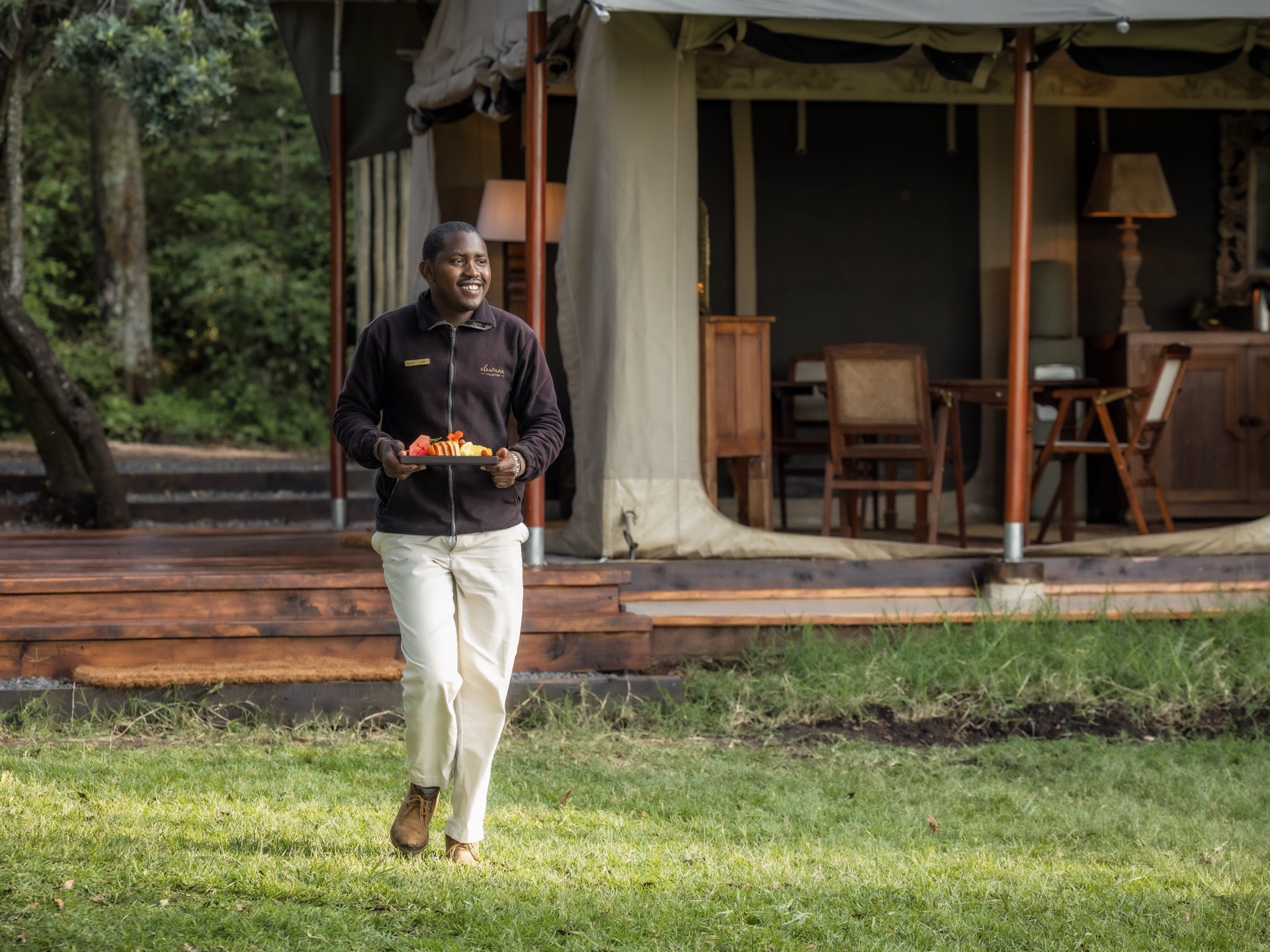
Kenya
The private conservancies beside the Mara: off-road, night drives, walking, and a hard cap on vehicles.
Kenya at this level
Botswana
Water in the dry season, vast private concessions and a deliberate cap on beds. The most expensive, for reasons you can see.
Why Botswana costs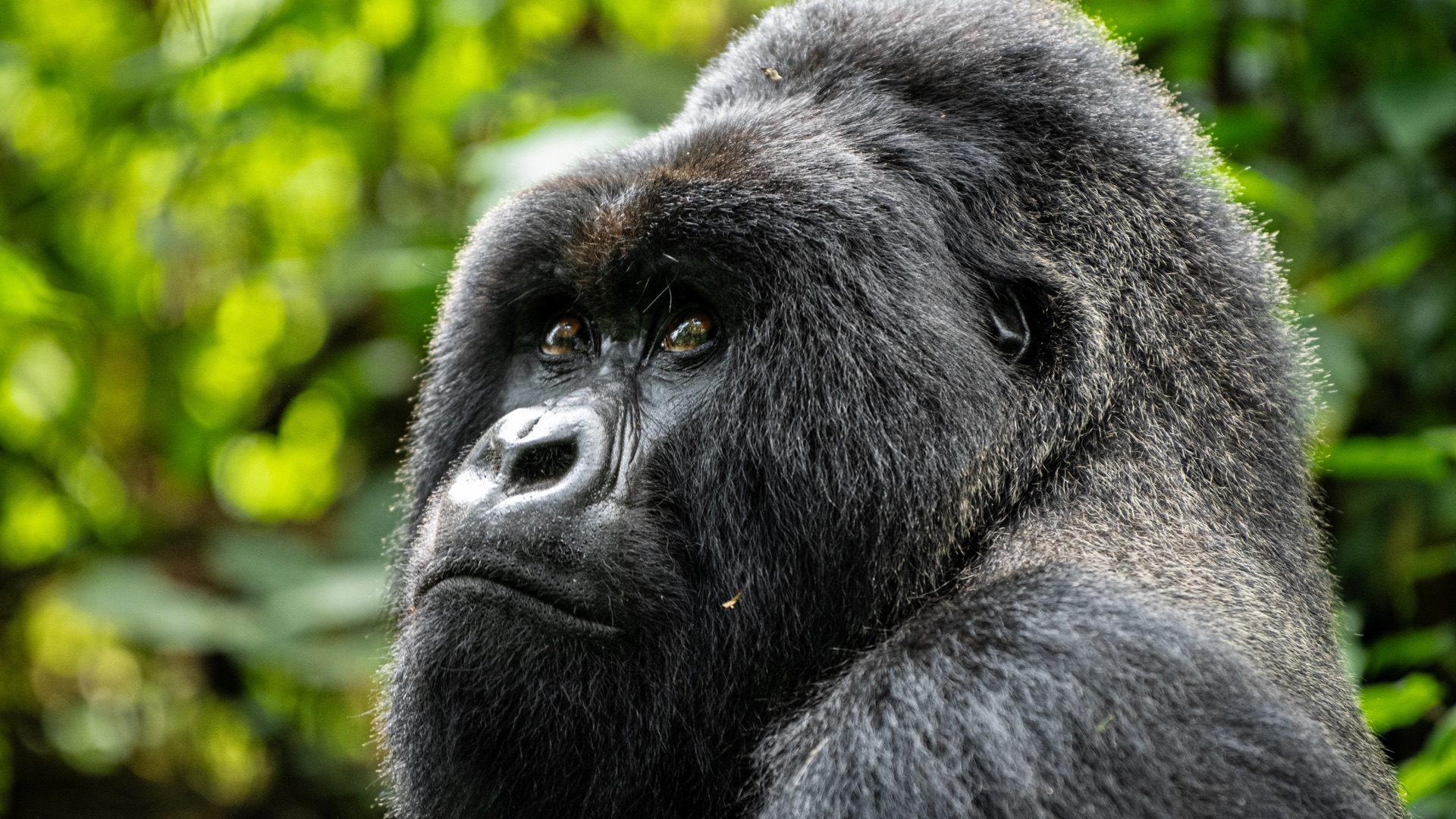
Rwanda
Gorillas an hour at a time, from lodges that are among the best-designed on the continent. Short trips, done properly.
Rwanda at this level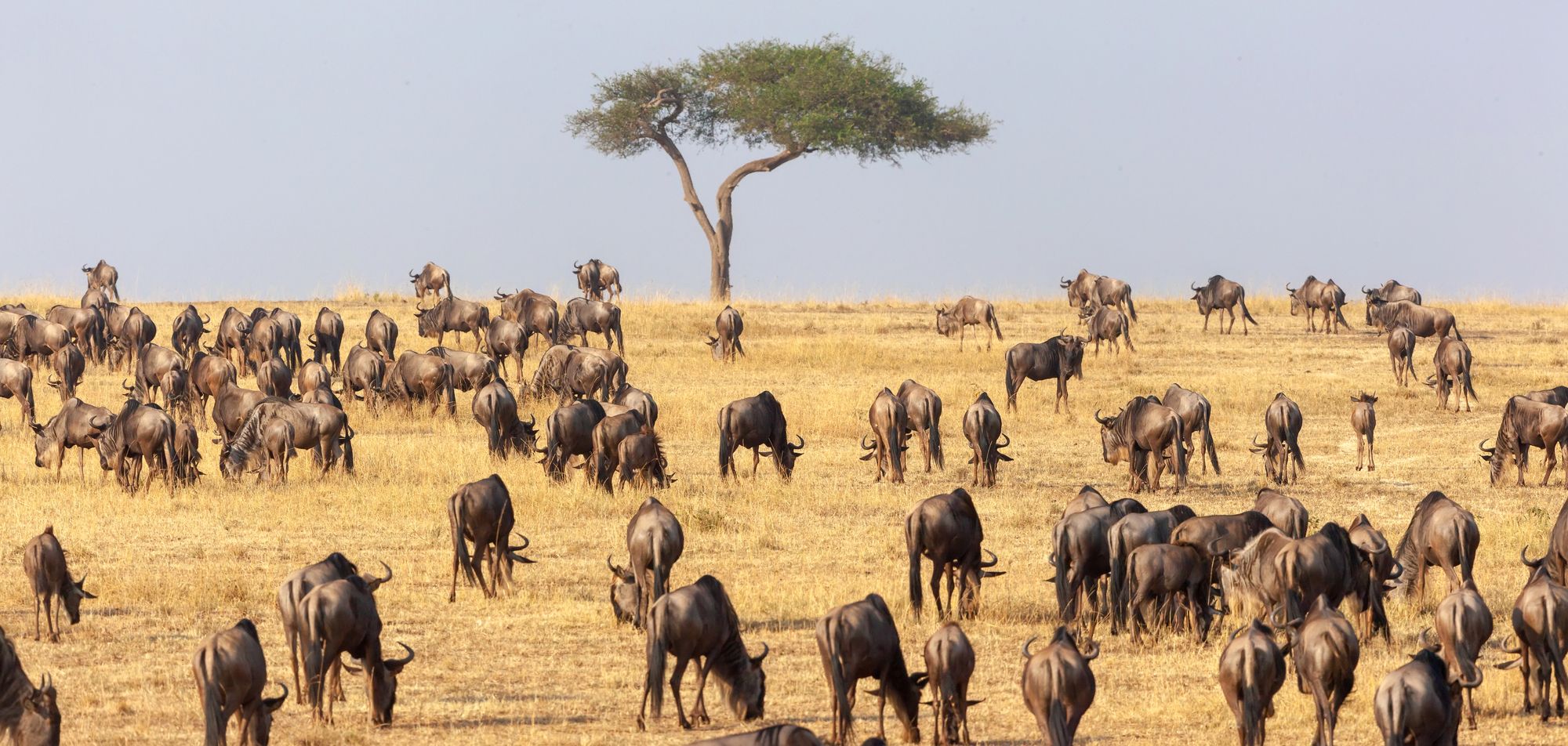
Tanzania
Scale the Mara cannot match, the Crater, and genuinely remote southern and western parks.
Tanzania at this level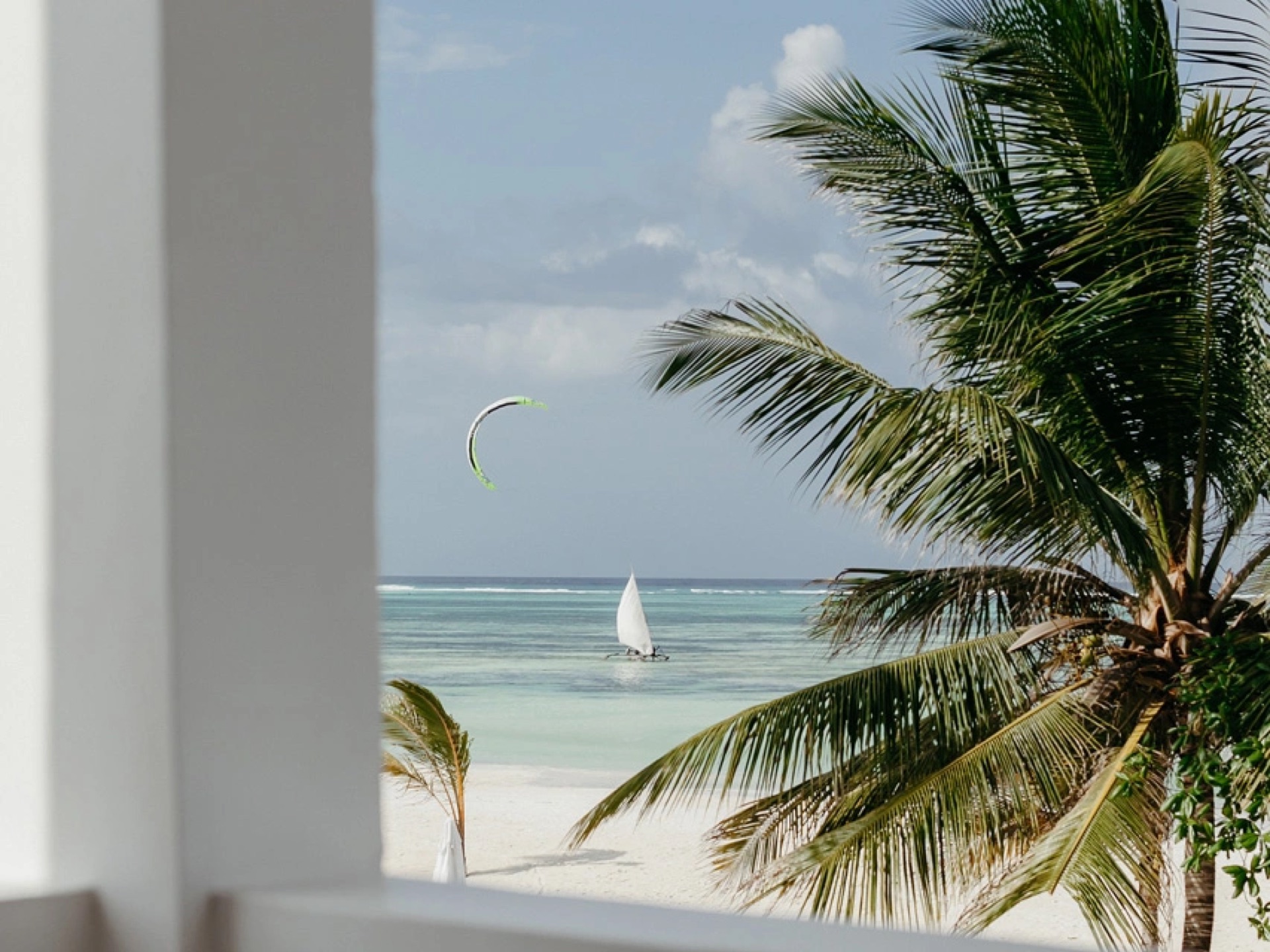
Zanzibar
Where a safari ends. Reef, dhows and nothing to be up early for, forty minutes from the Serengeti.
The coast half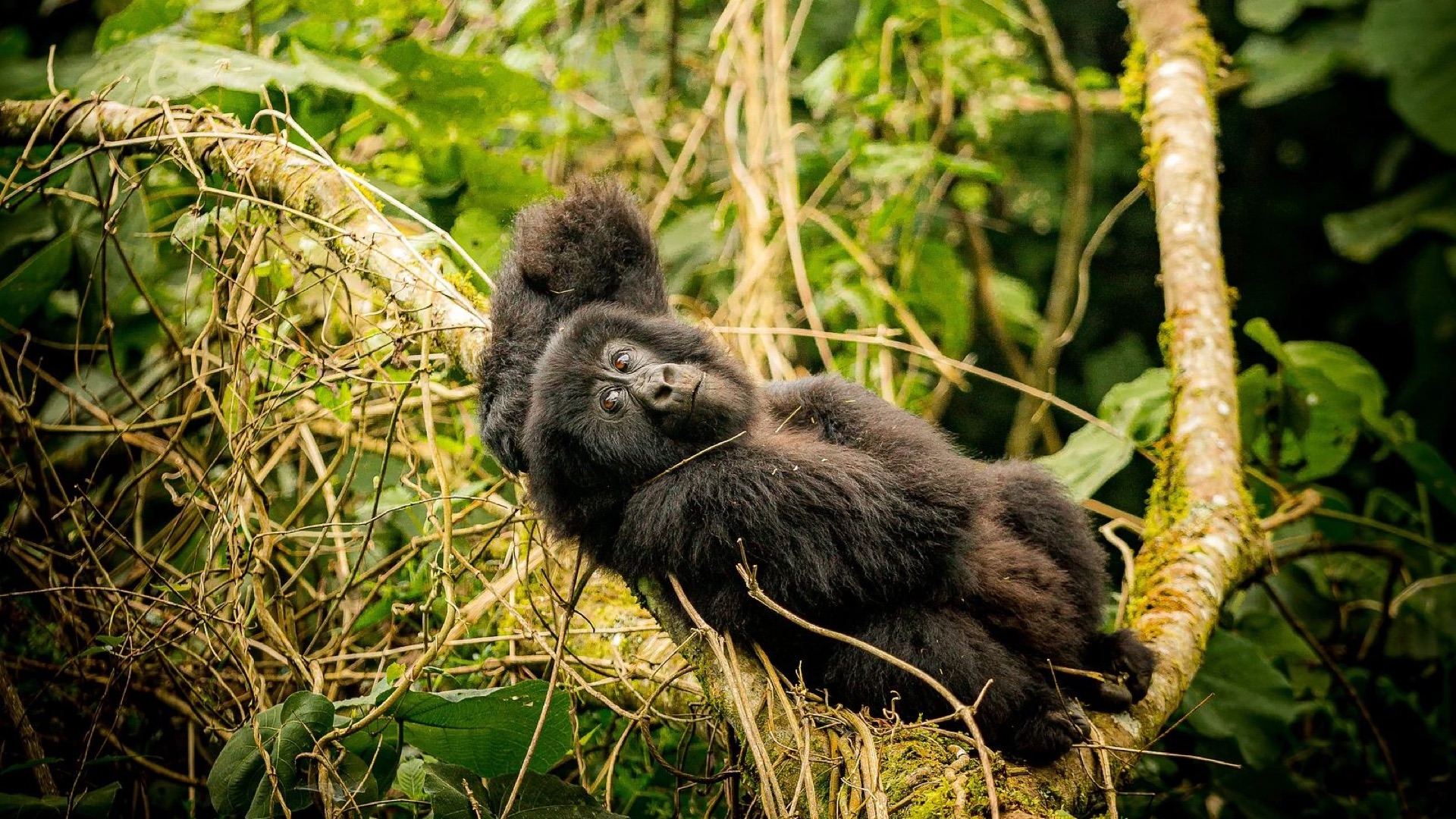
Uganda
The same gorillas in wilder forest, plus chimpanzees and the Nile. More effort, fewer people.
Uganda at this levelBefore you ask
The questions we get most at this level
Is a US$3,000 camp three times better than a US$1,000 one?
No, and anyone who says otherwise is selling. Both have a good bed and good food. The difference is in how much land you have to yourself, how many vehicles may attend a sighting, how good your guide is and whether he stays with you.
Whether that is worth three times the money depends entirely on what you want from the days. For some travellers it obviously is. For others the honest answer is that the extra would be better spent on four more nights.
What is the single best upgrade?
A private vehicle, on almost every trip we price. It is usually a few hundred dollars a day for a couple, and it removes the one thing that reliably spoils a good sighting: negotiating with strangers about when to leave it.
Second is private land over public park. Third is the guide. The room comes fourth, and at this level it is already excellent.
Do I need exclusive use?
Usually not, and it is worth being honest about that because it is the most expensive thing we sell. A good small camp has six to ten tents and you will meet perhaps eight other people, most of whom you will like.
Exclusive use earns its cost for a party of six or more travelling together, for a milestone trip, and for anyone who genuinely wants nobody else at dinner. For two people it rarely does.
Who actually arranges my safari?
This site is a planning guide. When you send an enquiry it goes to Nomad Africa, our partner travel agency in Kenya, who prepare your itinerary and quote and handle the booking, the payments and you on the ground.
You deal with one team from the first email to the airport transfer home.
Start planning
Tell us what you want the days to be like
Not which camp — what you want to be true of the days. We work backwards from that to the land, the vehicle and the guide that deliver it, and then to the camps that sit on it.
Our Africa specialist replies within 24 hours with named camps and an itemised price.
- Named camps, with the land each one sits on
- A private vehicle and a private guide priced separately, so you can see what each costs
- An honest answer if fewer nights at a higher rate is the wrong trade
- No deposit to see a plan, and no obligation at any point
Who answers
Nomad Africa, our partner travel agency in Nairobi, builds and prices every itinerary we send. You deal with one team, on the ground, for the whole trip.
Founded in 2017 as East Africa’s only dedicated travel magazine, Nomad still publishes — so the people planning your trip are the ones who write about these places for a living.
Get your tailored itinerary and quote
Our Africa specialist replies within 24 hours with a costed plan built around your dates.
More from our Africa guides
Specialist guides across our Africa network
Each of these is a focused guide we publish. Same Africa specialist behind every enquiry.